Architecture David Falk Design Architect Bellingham Seattle Washington
DAVID FALK DESIGN
TIME MACHINE
With this page, I invite you to step into my time machine to give you some insights into how I developed into the architect I am today.
I always wanted to be an architect. I used to love building things out of Lincoln Logs and Lego. I never seriously considered any other career path. I was ecstatic having been accepted to Syracuse University’s School of Architecture - perennially ranked as one of the best architecture programs in the country. In hindsight I realize that I was there during a particularly strong period of outstanding faculty. My studies literally changed the way I see the world. I will always be indebted to Professor Christopher Gray and the late Dean Werner Seligman for having a profound impact on the way I think about architecture.
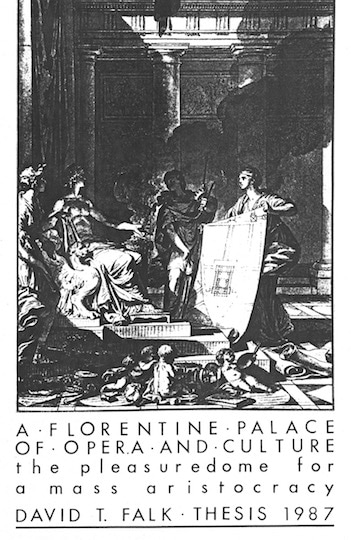
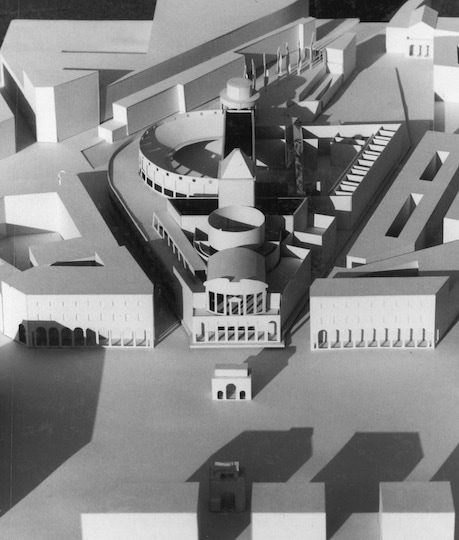
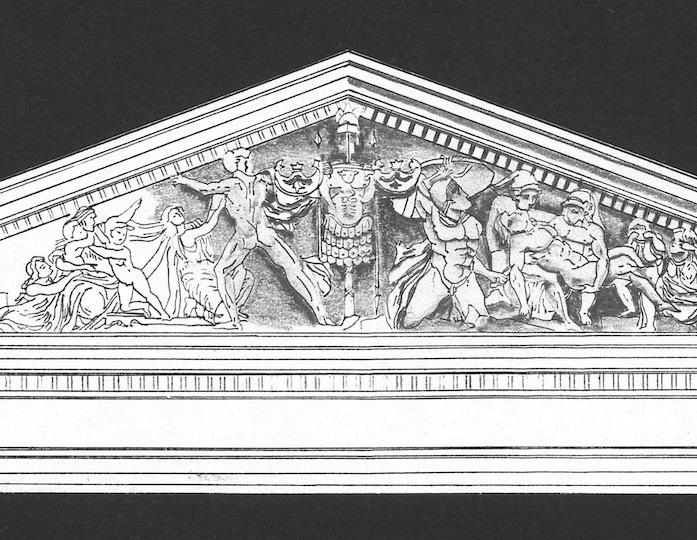
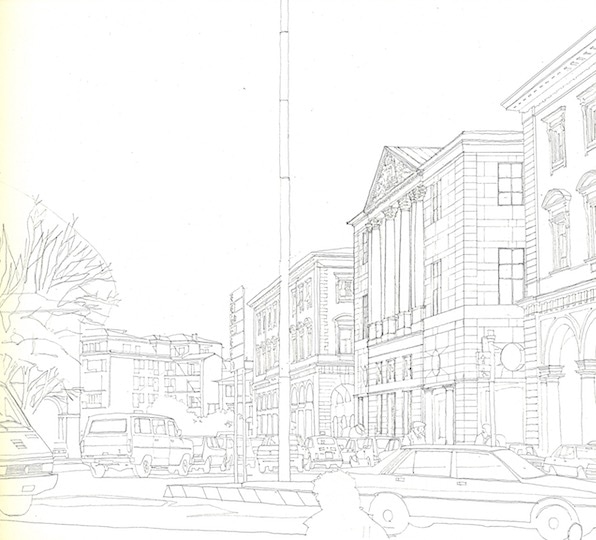
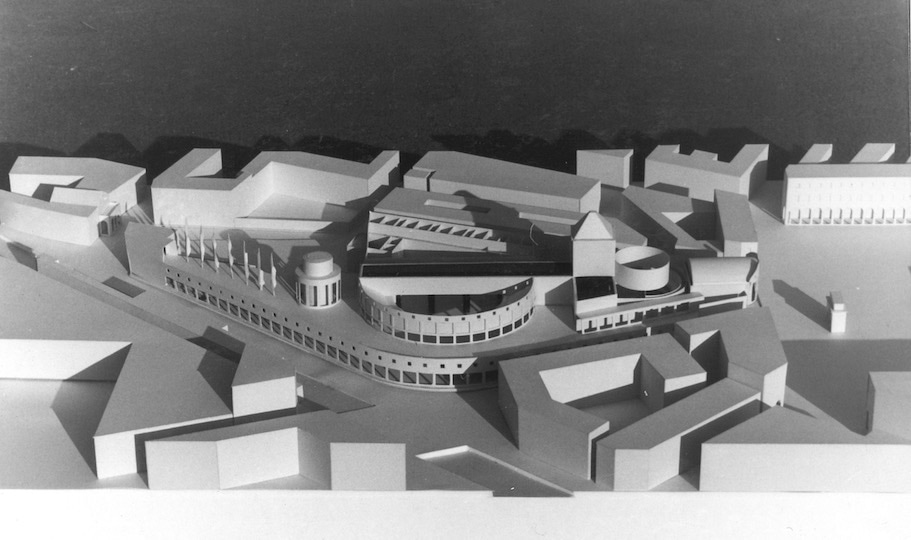
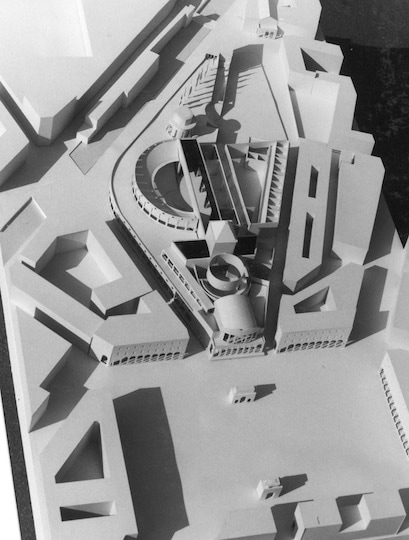
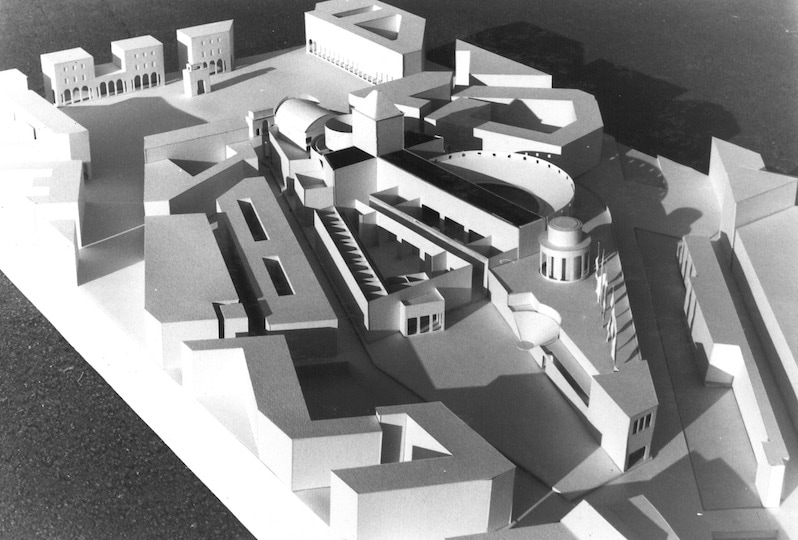
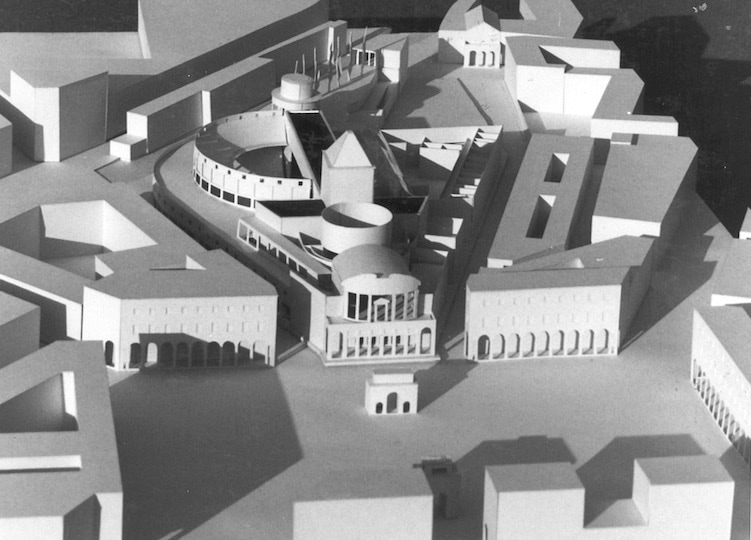
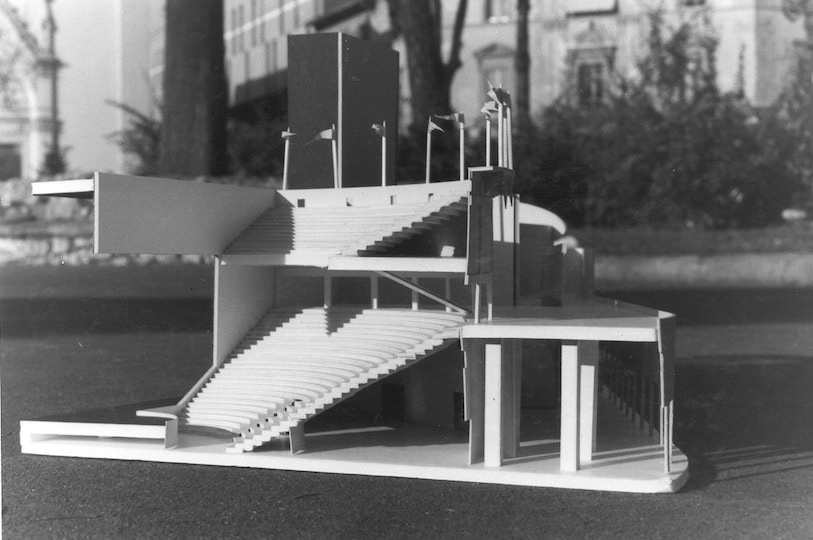
I’ve always had a romantic sensibility about building and the spaces I create. I always envision what the ideal environment for the use would be. That sensibility can be seen even in these now very old school projects.
I always wanted to be an architect. I used to love building things out of Lincoln Logs and Lego. I never seriously considered any other career path. I was ecstatic having been accepted to Syracuse University’s School of Architecture - perennially ranked as one of the best architecture programs in the country. In hindsight I realize that I was there during a particularly strong period of outstanding faculty. My studies literally changed the way I see the world. I will always be indebted to Professor Christopher Gray and the late Dean Werner Seligman for having a profound impact on the way I think about architecture.
I’ve always had a romantic sensibility about building and the spaces I create. I always envision what the ideal environment for the use would be. That sensibility can be seen even in these now very old school projects.
|
Winery
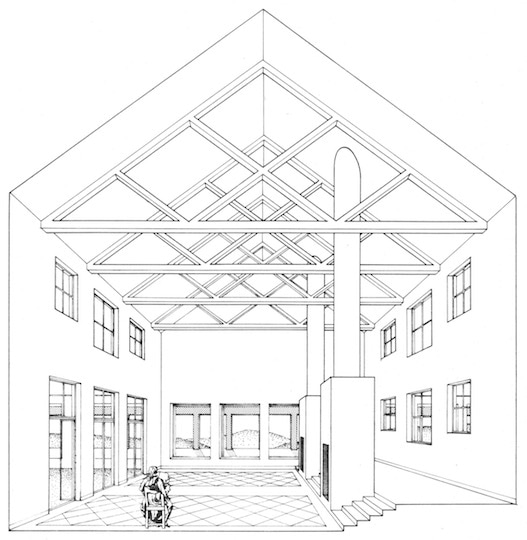
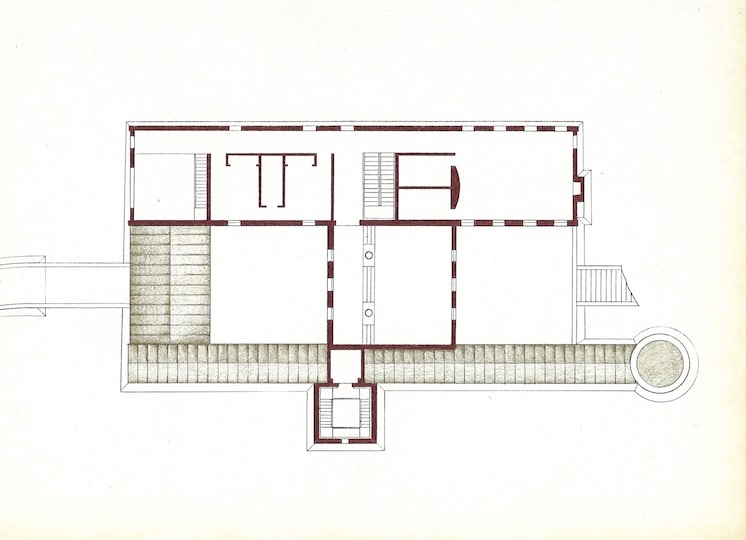
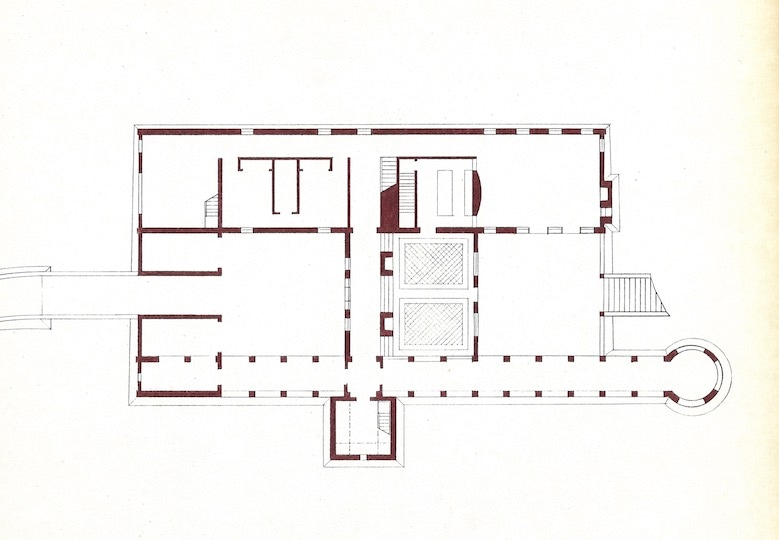
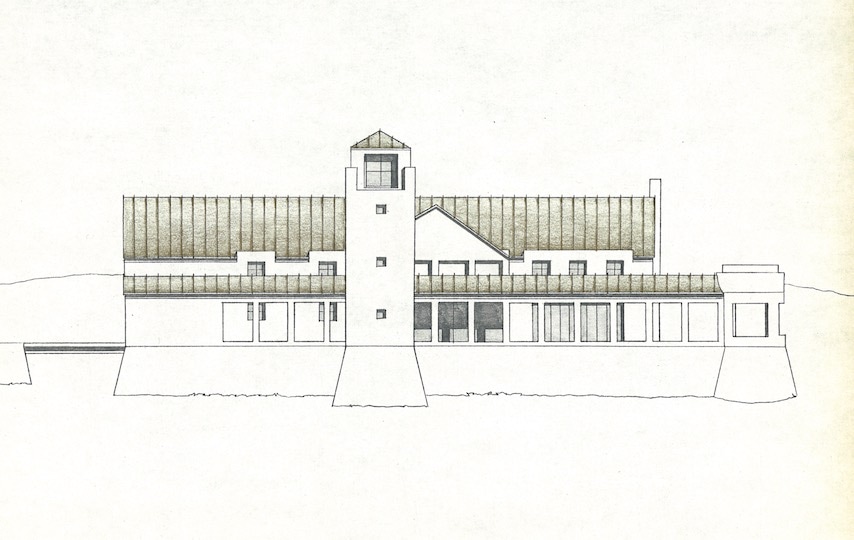
The first project is for an estate house for a fictitious winery on one of the Finger Lakes in upstate New York. The winery took on the form of a small village. The estate house was envisioned as the castle sitting on the hill above the village. The castle had courtyards, towers, and crenellation- all integrated with the form of the house in an abstracted contemporary composition. Stylistic elements of this school project reappear in the Holmby project. |
|